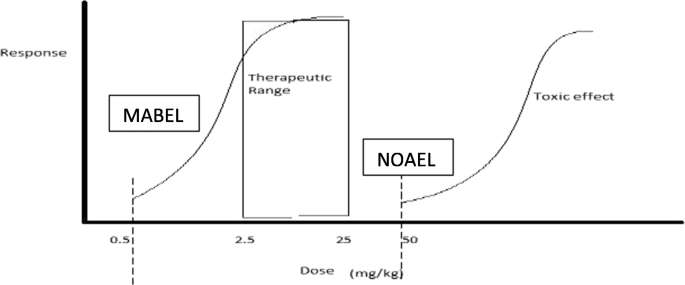
Genetic toxicology remains one of the most critical and consequential endpoints in the safety evaluation of pharmaceuticals. Recent scientific discussions within the toxicology community have highlighted how genetic toxicology assessments are strategically applied across early screening, regulatory development, and emerging impurity-related challenges. These discussions underscore evolving regulatory expectations, advances in testing strategies, and practical pathways to manage positive findings without compromising patient safety or development timelines.
Why Genetic Toxicology Matters
Genetic toxicology assessments are central to identifying substances capable of damaging genetic material, an outcome closely linked to carcinogenic risk and potential heritable effects. Because genotoxic liabilities can halt development programs or impose significant regulatory constraints, early and informed decision-making is essential.
Genetic toxicity is not defined by a single biological pathway. Instead, it encompasses three major mechanisms: mutagenicity, clastogenicity, and aneugenicity. Each mode of action differs in biological relevance, dose–response behavior, and regulatory interpretation, making mechanistic understanding a cornerstone of effective risk assessment.
Regulatory Frameworks Guiding Assessment
International guidance, particularly ICH S2(R1), continues to define the regulatory framework for genetic toxicology assessment of pharmaceuticals. The guideline outlines alternative testing strategies that combine bacterial mutation assays, in vitro mammalian tests, and confirmatory in vivo studies.
While more than one regulatory pathway is acceptable, many development programs favor approaches that allow early identification of genotoxic liabilities through predictive screening tools before committing to extensive in vivo testing. This strategy helps balance scientific rigor with efficiency and ethical considerations.
Smarter Screening with Limited Material
Early drug development often faces constraints related to compound availability. To address this, modern genetic toxicology screening increasingly relies on miniaturized and medium-throughput assays capable of delivering robust data using minimal test material.
Advances in bacterial mutation formats, high-content biomarker platforms, and in vitro micronucleus assays now enable earlier insight into both hazard identification and mechanism of action. When combined with in silico predictions, these tools support informed triaging decisions and reduce unnecessary downstream testing.
Interpreting and Managing Positive Results
Positive findings, particularly in bacterial mutation assays, remain among the most challenging outcomes in genetic toxicology. A positive result is a strong indicator of mutagenic potential, but it does not automatically translate into human risk.
Scientific and regulatory experience shows that positive outcomes may arise from bacterial-specific metabolism, experimental conditions, or low-level mutagenic impurities rather than the active pharmaceutical ingredient itself. As a result, structured follow-up strategies are now emphasized, incorporating computational analyses, read-across data, and mammalian gene mutation assays to establish relevance.
Where mitigation cannot be clearly demonstrated, additional testing is typically required to support progression into first-in-human studies.
In Vivo Mutation Assays: Selecting the Appropriate Endpoint
When in vivo follow-up becomes necessary, choosing the most appropriate mutagenicity endpoint is critical. Different in vivo assays offer varying sensitivity, tissue coverage, and relevance to metabolically activated mutagens.
Regulatory expectations increasingly favor alignment between the suspected mechanism of action and the selected in vivo assay. This shift reflects a broader move away from checklist-based testing toward mechanism-driven study design.
Nitrosamines and NDSRIs: An Evolving Landscape
The assessment of nitrosamines and nitrosamine drug substance–related impurities (NDSRIs) continues to pose complex regulatory challenges. Early regulatory responses were highly conservative, but scientific understanding has since progressed.
Enhanced bacterial mutation assays, refined metabolic activation systems, and the growing application of transgenic rodent mutation models have enabled more nuanced risk assessments. Frameworks such as carcinogenic potency categorization now support differentiated acceptable intake limits, although regulatory expectations continue to evolve, particularly when higher exposure limits are proposed.
Toward Integrated, Mechanism-Based Strategies
A consistent message emerging from current scientific practice is the importance of integrated testing strategies that span early screening, regulatory studies, and impurity risk management. Rather than relying on isolated test outcomes, successful programs use tiered, mechanism-informed approaches to guide decision-making and regulatory interactions.
Such strategies not only improve scientific confidence but also help manage development risk more effectively.
Conclusion
Genetic toxicology is no longer viewed solely as a late-stage regulatory hurdle. It has become a strategic discipline influencing decisions across the entire drug development lifecycle. With thoughtful study design, mechanistic insight, and alignment with current regulatory guidance, even challenging outcomes, such as positive mutagenicity findings, can be scientifically evaluated and responsibly managed.
As pharmaceutical innovation continues to expand into new modalities and complex impurity landscapes, integrated genetic toxicology strategies will remain essential for safeguarding patient safety while enabling progress.