









Animal Ocular Toxicity Studies Through Ocular Delivery
Introduction The ocular drug development landscape is rapidly expanding, encompassing small molecules, biologics, gene and cell therapies, and novel drug delivery platforms. Increasingly, ocular delivery routes such as intravitreal, subconjunctival, and periocular administration are being used to target the posterior segment of the eye and support the development of injectable and implantable prolonged-action dosage forms….
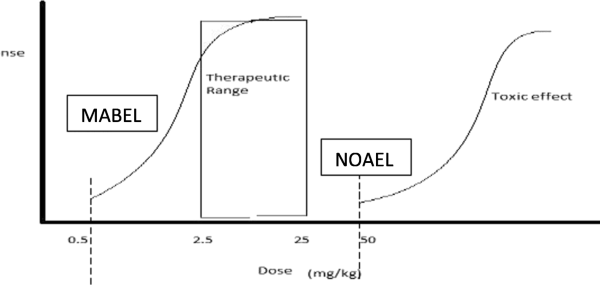
From Lab to Life: How Toxicology Shapes the First-in-Human Dose
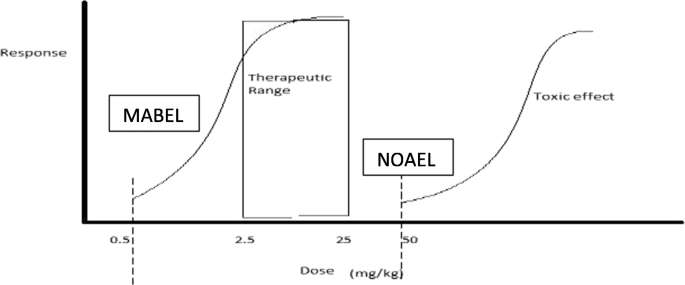
Drug development is often portrayed as a story of discovery and innovation, but behind every promising molecule lies a critical question: what is the first safe dose in humans? Getting this wrong can derail years of research, cost millions, and, more importantly, put human lives at risk. Toxicology data forms the backbone of this decision,…

Frozen for 46,000 Years, This Siberian Worm Came Back to Life
Scientists have revived a microscopic organism that remained frozen for approximately 46,000 years in Siberian permafrost, an achievement that is redefining scientific understanding of survival, dormancy, and the limits of life itself. Recovered from Pleistocene-era sediments near the Kolyma River, the revived worm resumed movement and feeding shortly after thawing, behaving as though its tens…

European Pharmacopoeia Eliminates Rabbit Pyrogen Test, Embraces Animal-Free Endotoxin Testing from 2026
The European Pharmacopoeia (Ph. Eur.) has announced a landmark regulatory transition in pyrogen testing, marking a decisive move away from animal-based methods. Effective 1 January 2026, the Rabbit Pyrogen Test (RPT) under general chapter 2.6.8 Pyrogens will be completely removed from all Ph. Eur. texts. This regulatory change reflects a broader European commitment to scientific…
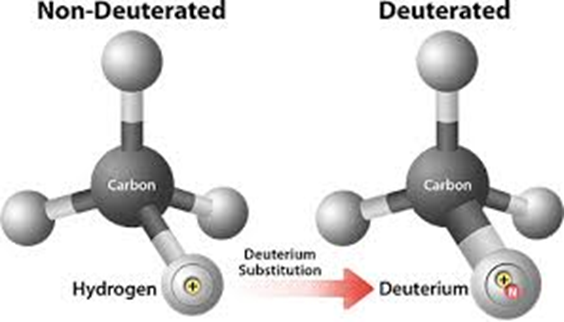
Deuterated Drugs Explained: Safety Assessment, Toxicity, Pharmacokinetics, and Regulatory Status
The pharmaceutical landscape has witnessed growing interest in deuterated drugs, a class of therapeutics developed by replacing specific hydrogen atoms in drug molecules with deuterium, a naturally occurring, stable, and non-radioactive isotope of hydrogen. While chemically similar to hydrogen, deuterium possesses an additional neutron, resulting in stronger carbon–deuterium bonds and measurable effects on drug metabolism…

SCCS Revises Its Position on Silver in Cosmetics: New Evidence Confirms Dermal Safety
The European Union’s Scientific Committee on Consumer Safety (SCCS) has released new preliminary scientific advice on the use of micron-sized particulate silver in cosmetic products, marking a significant regulatory development for the cosmetics industry. The updated assessment reverses earlier safety concerns and confirms that micron-sized silver can be safely used within defined concentration limits, based…

The Hidden Gatekeepers: Why Transporters Matter in Toxicology and Drug Development
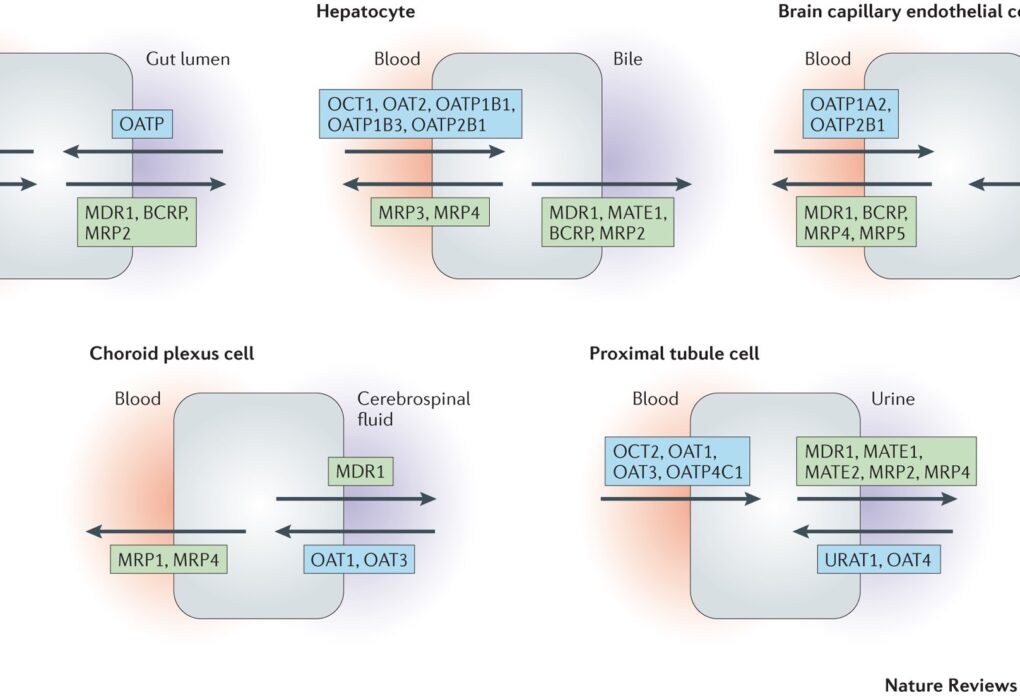
Introduction In modern toxicology and pharmaceutical science, understanding how chemicals and drugs interact with the human body goes far beyond metabolism alone. A less visible, but equally critical, ayer of biological control lies in membrane transporters. These specialized proteins act as molecular gatekeepers, regulating the movement of endogenous substances, xenobiotics, and pharmaceuticals across biological membranes….
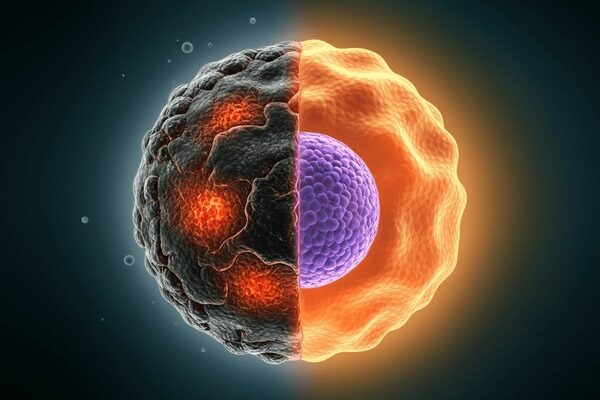
Chemical-Induced Cellular Toxicity: Decoding the Mechanisms Behind Cellular Injury
Introduction The classical understanding of toxicology has long relied on the dose–response relationship to predict adverse effects. However, modern research increasingly shows that chemical exposure does not always result in immediate or visible tissue damage. Instead, many substances subtly disrupt cellular functions, weakening biological defenses and increasing vulnerability to secondary insults. These effects are particularly…
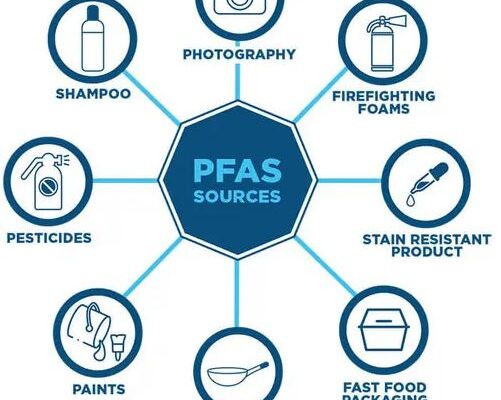
Europe’s PFAS Regulatory Turning Point: What Industry Must Prepare for Now
A structural shift in chemical governance is underway For decades, per- and polyfluoroalkyl substances (PFAS) have been integral to modern manufacturing. Their resistance to heat, chemical stress, and degradation enabled their widespread use in electronics, industrial equipment, textiles, coatings, membranes, seals, and numerous advanced applications. That period of regulatory tolerance is rapidly closing. Across Europe,…

Understanding the Fundamentals of Chemical Risk Assessment
Why Chemical Risk Assessment Matters Every chemical, whether used in medicines, cosmetics, food, or industrial processes, carries some degree of risk. The purpose of chemical risk assessment is not to eliminate risk entirely, but to understand, quantify, and manage it effectively. In public health, environmental protection, and regulatory decision-making, risk assessment serves as a critical…