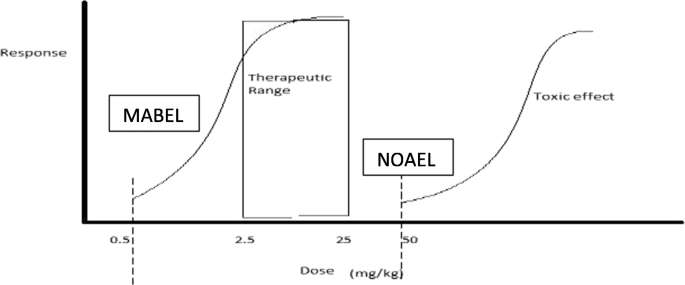
The assessment of neonatal toxicity represents one of the most complex and evolving areas of toxicological science. Unlike adults, neonates, infants, and juveniles undergo rapid and highly coordinated developmental processes that can significantly influence their response to drugs, chemicals, and environmental toxicants. Understanding these differences has become critical for human health risk assessment, particularly where early-life exposures may lead to lifelong consequences .
Why Neonates Are Not “Small Adults”
Scientific consensus has increasingly recognized that children differ from adults not only in size but also in exposure patterns, metabolic capacity, and developmental vulnerability. Neonates consume more food, water, and air per unit body weight, resulting in proportionally higher exposure to environmental chemicals. Additionally, common behaviors such as hand-to-mouth activity and ground-level play further increase exposure risk .
Equally important are immature metabolic and elimination pathways. Many detoxification enzymes, transporters, and renal clearance mechanisms are underdeveloped in early life, potentially leading to prolonged systemic exposure. At the same time, certain toxicants may not be bioactivated in neonates, illustrating that vulnerability is compound-specific rather than universal .
Windows of Vulnerability in Early Development
Developmental toxicology has introduced the concept of “windows of vulnerability”, critical periods during which even minimal exposure to chemicals can disrupt organ development. These windows are particularly relevant for the brain, endocrine system, immune system, and reproductive organs. Damage during these stages may not manifest immediately but can result in delayed neurodevelopmental disorders, reproductive dysfunction, or chronic disease in adulthood .
Historical public health interventions, such as the removal of lead from gasoline, have demonstrated that preventing early-life exposure can substantially reduce disease burden, highlighting the policy relevance of neonatal toxicity assessment .
Key Scientific Considerations in Neonatal Toxicity Studies
Animal studies remain central to neonatal toxicity assessment, but interpretation is complicated by age-dependent differences in pharmacokinetics and toxicodynamics. Neonates often exhibit:
- Reduced renal clearance
- Altered gastrointestinal absorption
- Immature hepatic enzyme systems
- Differences in blood-brain barrier permeability
As a result, half-lives of chemicals in neonates may be several times longer than in adults. Importantly, faster metabolism does not always equate to reduced toxicity, as bioactivation to more toxic metabolites can occur.
Dose Expression and Human Relevance
Traditional mg/kg dosing approaches may not accurately predict neonatal risk. Alternative models based on body surface area, serum concentration, and internal exposure metrics have been proposed to improve human relevance. Modern toxicology increasingly emphasizes toxicokinetic-guided dose selection, aligning animal exposures with anticipated human plasma levels rather than relying solely on administered dose.
Is Immaturity Always Associated with Higher Sensitivity?
Contrary to common assumptions, immaturity does not universally result in increased sensitivity. Certain substances are more toxic to adults than neonates, while others show comparable effects across age groups. Early studies often relied on crude endpoints such as mortality, highlighting the need for developmentally relevant functional and mechanistic endpoints in modern study designs .
Juvenile Animal Models and Human Risk Estimation
Juvenile animal studies are increasingly used to evaluate effects on:
- Growth and skeletal development
- Pubertal and reproductive maturation
- Thyroid and endocrine function
- Immune system development
- Neurobehavioral and cognitive outcomes
Such studies can help identify postnatal toxicities not detected in standard reproductive toxicity studies, particularly for pharmaceuticals intended for pediatric use or chemicals with unavoidable environmental exposure .
Regulatory Landscape and Existing Gaps
While regulatory guidelines such as OECD 421, 422, 426, and 443 provide partial coverage, no comprehensive framework exists specifically for postnatal-neonatal toxicity in chemicals and pesticides. For pharmaceuticals, international guidance recommends juvenile animal studies only when existing adult and clinical data are insufficient to support pediatric use, emphasizing a case-by-case, science-based approach .
Implications for Pediatric Drug Development
Historically, many drugs approved for adults entered pediatric use without adequate safety data. Juvenile animal studies have since proven valuable in predicting age-specific adverse effects, including neurotoxicity, cardiovascular sensitivity, and growth-related effects. However, translation to humans remains challenging, underscoring the need for integrated nonclinical, clinical, and mechanistic data .
Study Design Considerations
Neonatal toxicity studies typically use rodents due to extensive background data. Key design elements include:
- Selection of developmentally relevant exposure windows
- Dose levels aligned with anticipated human exposure
- Monitoring of growth, organ development, behavior, and fertility
- Inclusion of recovery groups to assess reversibility
Such designs aim to identify whether young organisms are uniquely sensitive and whether effects persist into adulthood .
Outlook
Assessment of neonatal toxicity remains a scientifically demanding and policy-relevant field. While early-life exposure can increase vulnerability to certain toxicants, broad generalizations are inappropriate. Progress will depend on modern toxicokinetics, mechanism-based evaluation, and carefully designed juvenile studies to ensure that risk assessments adequately protect infants and children without unnecessary testing.