Introduction
The classical understanding of toxicology has long relied on the dose–response relationship to predict adverse effects. However, modern research increasingly shows that chemical exposure does not always result in immediate or visible tissue damage. Instead, many substances subtly disrupt cellular functions, weakening biological defenses and increasing vulnerability to secondary insults. These effects are particularly relevant in cases of chronic or low-dose exposure, where overt toxicity may be absent but long-term consequences persist.
Understanding how chemicals interact with cells at molecular and biochemical levels has become central to modern toxicological science. Cellular survival or death following exposure is influenced by multiple factors, including repair capacity, metabolic competence, and the activation or suppression of programmed cell death pathways.
Mechanistic Toxicology: A Foundation for Risk Assessment
Mechanistic toxicology focuses on identifying how chemical and physical agents produce toxic effects in living systems. By elucidating these pathways, toxicologists can better predict risks, guide regulatory limits, support remediation strategies, and inform therapeutic interventions following overexposure.
Beyond regulatory applications, mechanistic insights enhance the design of safer chemicals and pharmaceuticals. They also improve the extrapolation of animal toxicity data to humans, strengthening the scientific basis of occupational and environmental exposure standards.
Approaches to Studying Toxicity Mechanisms
Mechanistic investigations typically begin with descriptive studies, including animal experiments or clinical observations. These assessments evaluate behavioral changes, biochemical alterations in blood and urine, and microscopic examination of tissues to detect early signs of injury.
Toxic effects are studied across multiple biological levels, from whole organisms and organ systems to cellular and molecular targets. Exposure assessment, distribution within the body, metabolic transformation, and elimination kinetics together determine whether and where toxicity manifests.
Route of Exposure and Its Significance
The pathway through which a chemical enters the body plays a critical role in determining toxic outcomes. Some substances exert localized effects at the site of contact, such as skin corrosion or respiratory irritation, while others produce systemic toxicity after absorption and distribution via the bloodstream.
Inhalation, dermal contact, and ingestion each present distinct toxicological challenges. Following absorption, tissue concentrations are influenced by blood flow, binding affinity, metabolic activation, and detoxification processes.
Pharmacokinetics and Toxic Outcomes
Pharmacokinetics, encompassing absorption, distribution, metabolism, and excretion, strongly influences toxicity. Chemicals that accumulate due to slow elimination or biotransformation may cause delayed or organ-specific injury, even at low exposure levels.
Conversely, rapid detoxification or poor absorption can limit toxic potential. Advances in pharmacokinetic modeling now allow scientists to better translate animal data to human exposure scenarios, improving risk prediction.
Cellular and Molecular Targets of Toxicity
Toxic effects may emerge at multiple levels of biological organization. Organ systems such as the nervous, immune, renal, hepatic, and reproductive systems are frequent targets. At the cellular level, chemicals can disrupt protein function, energy metabolism, receptor signaling, and enzyme activity.
At the molecular scale, interference with DNA transcription, receptor binding, or gene expression may initiate cascades leading to dysfunction or cell death. While not all toxic mechanisms can be traced to a single molecular event, mechanistic clarity enhances predictive accuracy for related compounds.
Acute, Sub-Chronic, and Chronic Toxicity Mechanisms
Acute toxicity often results from high-dose exposure and may involve oxygen deprivation, nervous system depression, corrosive injury, or immune sensitization. Examples include chemical asphyxiants, CNS depressants, and skin or respiratory irritants.
In contrast, sub-chronic and chronic toxicity typically arise from repeated or prolonged exposure. These mechanisms may include enzyme inhibition, metabolic activation to reactive intermediates, genetic damage leading to carcinogenesis, reproductive toxicity, and disruption of intracellular signaling pathways.
Oxidative Stress and Cellular Injury
One of the most widely recognized mechanisms of chemical-induced cell damage is oxidative stress. Many toxicants disrupt calcium homeostasis and promote the generation of reactive oxygen species (ROS), leading to mitochondrial dysfunction, membrane damage, and depletion of cellular energy reserves.
Lipid peroxidation, protein modification, and DNA damage may follow, compromising cell viability. While oxidative stress is not always the sole cause of cell death, it frequently acts in concert with other damaging processes.
Factors Influencing Cellular Susceptibility
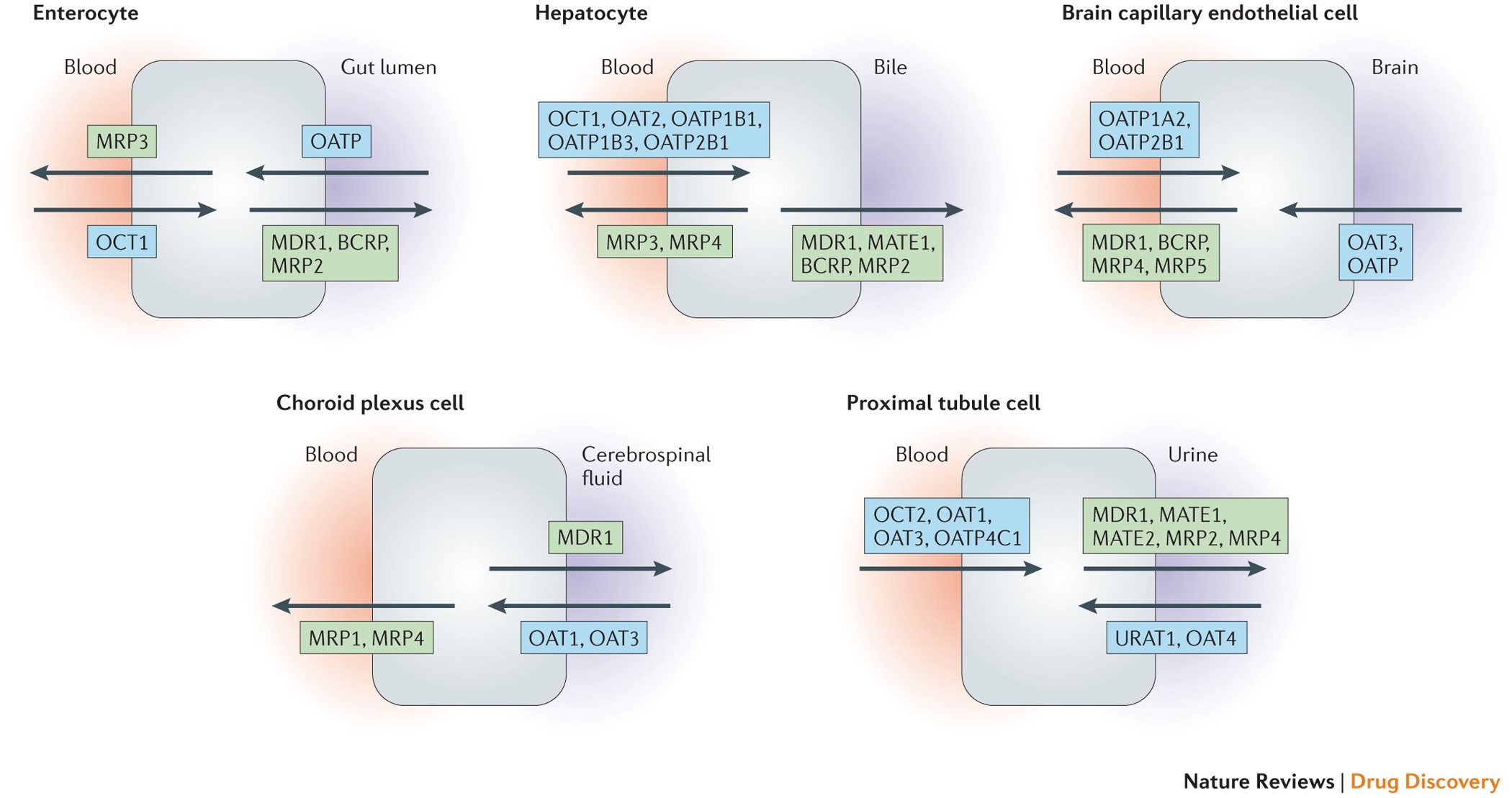
Cellular transport systems, metabolic enzymes, and intracellular binding proteins significantly influence toxicity. Some chemicals are actively transported into specific organs, leading to localized accumulation and heightened injury risk.
Metabolic transformation can either detoxify substances or convert them into more reactive, harmful intermediates. Additionally, intracellular protein binding, such as sequestration by metal-binding proteins, may temporarily reduce toxicity but also contribute to long-term tissue accumulation.
Implications for Toxicology and Public Health
Advances in understanding programmed cell death, signaling pathways, and oxidative mechanisms have reshaped toxicological science. These insights are particularly relevant for emerging contaminants, engineered nanomaterials, and complex chemical mixtures, where traditional toxicity models may be insufficient.
Despite progress, translating in vitro findings to real-world human exposure remains challenging. Differences in dose, exposure duration, tissue distribution, and biological complexity continue to complicate risk assessment.
Conclusion
Chemical-induced cellular toxicity is governed by intricate and interconnected mechanisms that extend beyond simple dose–response relationships. Continued research into cellular signaling, metabolic activation, and stress responses is essential for improving safety evaluation and regulatory decision-making.
As new technologies and biologically relevant models emerge, they offer the potential to bridge existing knowledge gaps and enhance our ability to predict and prevent toxic injury in humans.
Editorial Note:
This special report is intended to provide an objective overview of current scientific understanding of cellular toxicity mechanisms, without drawing regulatory or policy conclusions.