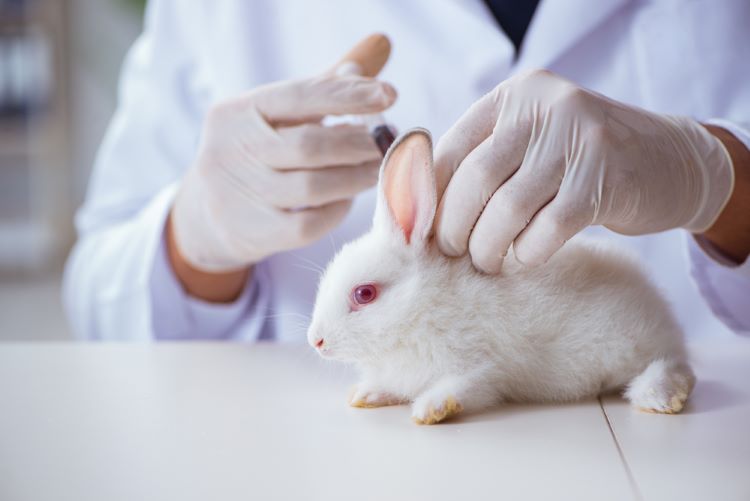
The European Pharmacopoeia (Ph. Eur.) has announced a landmark regulatory transition in pyrogen testing, marking a decisive move away from animal-based methods. Effective 1 January 2026, the Rabbit Pyrogen Test (RPT) under general chapter 2.6.8 Pyrogens will be completely removed from all Ph. Eur. texts.
This regulatory change reflects a broader European commitment to scientific advancement, sustainability, and the principles of the 3Rs (Replacement, Reduction, Refinement), while maintaining robust patient safety standards.
Key Regulatory Changes
1. Removal of Rabbit Pyrogen Test
- The rabbit pyrogen test will no longer be an accepted method under the European Pharmacopoeia.
- All Ph. Eur. monographs and general chapters will transition exclusively to non-animal-based pyrogen testing approaches.
2. Mandatory Shift to Animal-Free Testing Strategies
From 2026 onwards, manufacturers must rely on risk-based, science-driven methods, selected according to the nature of the product and potential presence of non-endotoxin pyrogens.
Accepted approaches include:
- Monocyte Activation Test (MAT) for broader pyrogen detection
- Bacterial Endotoxins Test (BET) for endotoxin-specific assessment
Regulatory Recognition of Recombinant Factor C (rFC)
A significant regulatory milestone is the full integration of Recombinant Factor C (rFC) into the Ph. Eur. framework.
- rFC will be officially included in general chapter 2.6.14 Bacterial Endotoxins starting with Ph. Eur. Issue 13.1
- rFC is recognized as one of the seven validated methods for endotoxin testing
- Method selection remains governed by Pyrogenicity (5.1.13) and product-specific risk assessment
This update formally endorses rFC as a synthetic, animal-free alternative, reducing dependency on horseshoe crab–derived reagents and supporting environmental sustainability.
Future Regulatory Outlook
The European Pharmacopoeia Commission has also acknowledged emerging technologies such as Recombinant Cascade Reagents (rCR). While not yet included in Ph. Eur. texts, regulators are encouraging data generation to support future evaluation and potential inclusion.
This forward-looking approach aims to:
- Maintain global pharmacopoeial harmonisation
- Encourage innovation in non-animal testing technologies
- Support regulatory convergence across regions
Implementation Support and Stakeholder Engagement
To facilitate smooth regulatory implementation, the EDQM, in collaboration with the European Partnership for Alternative Approaches to Animal Testing (EPAA), will host a joint symposium in February 2026.
The symposium will address:
- Regulatory expectations and transition timelines
- Practical implementation of animal-free pyrogen testing
- Global regulatory perspectives and harmonisation challenges
This event is particularly relevant for:
- Pharmaceutical and biopharmaceutical manufacturers
- Contract testing laboratories
- Quality assurance and regulatory professionals
- Health authorities
Regulatory Impact Summary
Area Impact Pyrogen testing Rabbit pyrogen test eliminated Compliance date 1 January 2026 Accepted methods MAT, BET including rFC Sustainability Reduced animal and natural resource use Regulatory direction Risk-based, science-driven testing
Conclusion
The removal of the rabbit pyrogen test represents one of the most significant regulatory shifts in European pyrogen testing in decades. By embedding animal-free methodologies into binding pharmacopoeial standards, the European Pharmacopoeia reinforces its role as a global regulatory leader in modern, ethical, and scientifically robust quality control.
Manufacturers and testing laboratories are advised to review validation strategies, update standard operating procedures, and ensure readiness ahead of the 2026 compliance deadline.