A groundbreaking study from the University of Cambridge has identified 168 widely used chemicals that can harm beneficial gut bacteria, microbes essential for digestion, immunity, and long-term health. The findings, published in Nature Microbiology, raise fresh concerns about how everyday exposure to pesticides and industrial pollutants may disrupt the human microbiome.
Large-Scale Screening Shows Hidden Toxicity to Gut Microbes
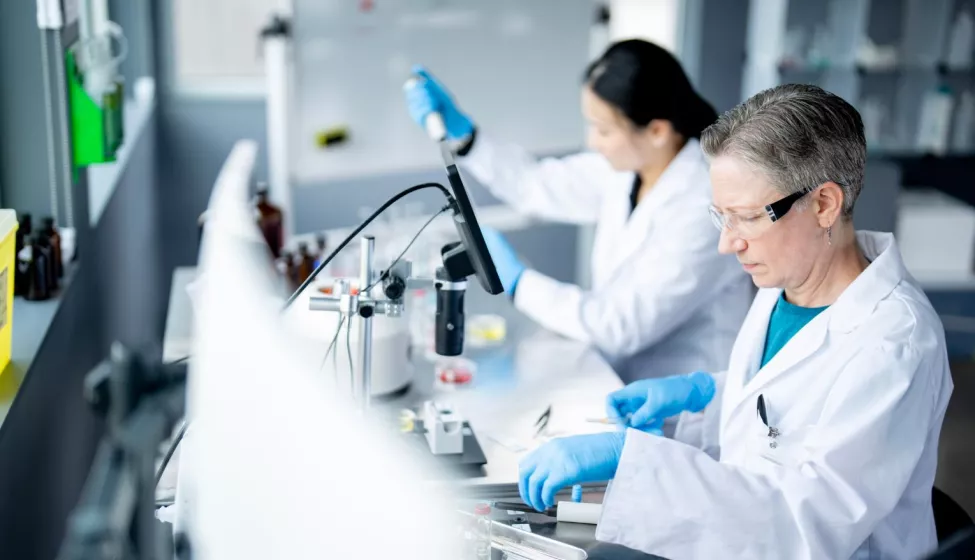
Researchers evaluated 1,076 industrial and agricultural chemicals against 22 human gut bacterial species. Results showed that many chemicals, including herbicides, insecticides, flame retardants, and plastic additives, significantly inhibited bacterial growth.

These substances often enter the body through food, water, or environmental exposure, yet have not traditionally been evaluated for microbiome safety.
The study also found that when gut microbes try to defend themselves against these chemicals, some develop resistance to antibiotics such as ciprofloxacin, potentially complicating treatment of bacterial infections.
Gut Microbiome: A Critical but Overlooked Safety Factor
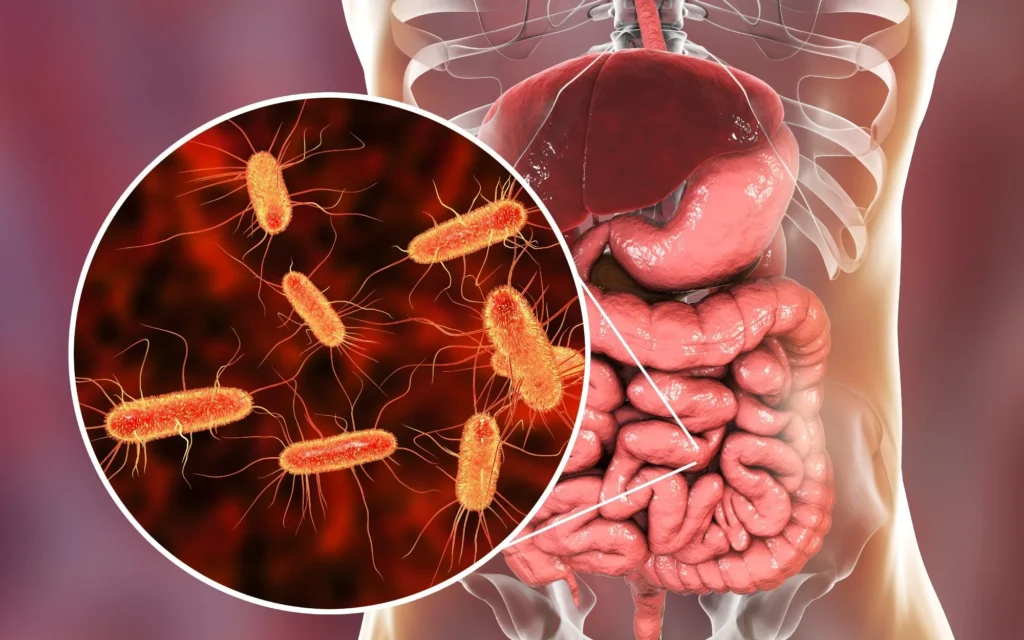
The human gut hosts more than 4,500 bacterial species, each playing a role in maintaining digestive balance, metabolic health, immune function, and even mental well-being. Disruption of this ecosystem, known as dysbiosis, is linked with obesity, inflammatory disorders, and chronic disease.
However, current chemical safety assessments rarely include microbiome testing, assuming that pesticides and industrial chemicals act only on their intended targets. This study shows that these assumptions may no longer hold true.
Machine Learning Model Predicts Chemical Impact on Gut Bacteria
To address this gap, the Cambridge team developed a machine-learning model that predicts whether a chemical (new or existing) may harm gut bacteria. This tool could help guide the development of “safe-by-design” chemicals, reducing future health risks.
Dr. Indra Roux, lead author from the MRC Toxicology Unit, noted that many chemicals previously thought inactive in humans, such as flame retardants and plasticizers, showed significant antimicrobial effects in the lab.
Health Implications and Need for Real-World Exposure Data
While the study demonstrates strong laboratory evidence, researchers emphasize the need for real-world exposure monitoring to understand how much of these chemicals actually reach the gut. Environmental exposure levels vary, and more research is needed to clarify actual human health risks.
Dr. Stephan Kamrad, co-author, stressed that future chemical safety testing should include gut microbiome assessments, given the widespread daily exposure through diet and the environment.

In the meantime, the researchers recommend simple preventive steps:
- Wash fruits and vegetables thoroughly
- Reduce personal pesticide use
- Stay informed about chemical safety and environmental exposure
Reference
Study: Industrial and agricultural chemicals exhibit antimicrobial activity against human gut bacteria in vitro
Journal: Nature Microbiology (2025)
DOI: 10.1038/s41564-025-02182-6